












 |
|
 |
|
 |
|
 |
|
 |
|
 |
|
 |
|
 |
|
 |
|
 |
|
 |
|
 |
|
 |
|
 |
|
 |
|
Tokenization is rapidly evolving; 2024 has presented several key trends that will reshape asset digitization and trading.
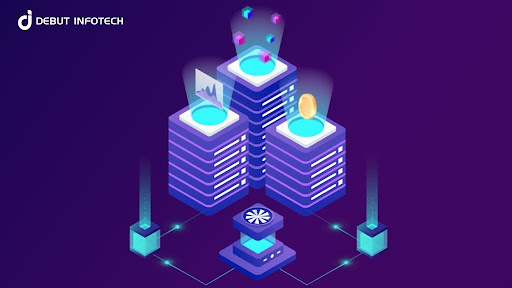
Tokenization, a recent development that is quickly gaining popularity, provides fractional ownership options and more liquid markets. It entails turning real-world assets (RWAs) into digital tokens that can be securely traded on blockchain networks (real-world asset tokenization). This cutting-edge technology has the potential to completely alter numerous industries, including real estate, finance, and beyond. By enabling investors to access previously out-of-reach assets, tokenization fosters greater inclusion and financial equality. Additionally, blockchain technology enhances efficiency and transparency by providing a secure and tamper-proof environment for transactions.
Tokenization trends are fundamentally altering how assets are traded and maintained. Tokenization, which was once limited to traditional financial markets, is now expanding into real estate, luxury products, and even commodities as investors seek more diverse options. The global tokenization market is anticipated to expand quickly as businesses embrace this transformative technology.
We will investigate the main tokenization trends influencing the industry, go over important use cases across sectors, and underline the most exciting tokenized assets to keep an eye on in the not-too-distant future on this blog.
Emerging Tokenization Trends to Watch in 2024
Tokenization is changing quickly; 2024 has offered numerous important trends that will transform asset digitalization and trading. Some of the main tokenization trends are explored below.
Real Estate Tokenization
Real estate tokenization is among the most common applications for tokenization trends; it has greatly reduced investor entrance requirements. Because of their high financial needs and lengthy transaction timeframes, real estate transactions have historically been limited to wealthy people and big institutions. Tokenization, on the other hand, lets assets be divided into smaller pieces so that smaller investors may buy real estate.
Driven by innovative blockchain technology, real estate tokenization systems provide a smooth approach to tokenizing valuable properties, opening a larger pool of investors to access them. These sites also enable cross-border investments, letting foreign investors own pieces of real estate without negotiating the sometimes convoluted financial and legal systems connected with conventional real estate.
Real estate blockchain businesses have been developing cutting-edge solutions to guarantee the safe tokenizing and trading of assets, thereby establishing a safer and more open investing environment. Specific tokenizing systems also include smart contracts, which streamline many operations—from the ownership transfer to the distribution of rental income or dividends—so optimizing the whole process.
Expanding into Commercial and Luxury Real Estate
Although residential real estate is still the most often used asset class for tokenization trends, luxury, and commercial properties are increasingly being tokenized. Because of its strong rental returns and possibility for long-term gain, commercial real estate—including office buildings, retail malls, and industrial warehouses—offers an appealing investment possibility. Real estate tokenization platforms are progressively focusing more on these assets by providing fractional ownership choices to investors who might not have the money to buy whole buildings.
Luxury real estate, including vacation houses and upscale mansions, is also becoming tokenized to allow investors to hold a piece in top-notch assets. Real estate blockchain companies are allowing investors to diversify their portfolios with highly valuable assets once beyond reach by tokenizing luxury homes.
Tokenization of Real-World Assets (RWAs)
After being digitized, real world assets ( RWAs) are the items traded as top trending tokens on blockchain systems. This trend is advancing as more sectors explore the advantages of tokenization, such as commodities, art, and even intellectual property.
Valuables and Precious Metals
Retail investors can now more easily access valuable commodities, including gold, oil, and natural gas since they can be easily tokenized. Though institutional players dominated goods markets historically, tokenizing access to these markets has opened up access to them. For example, tokenized gold allows investors to purchase tiny pieces of precious metal, which may be traded on blockchain networks with more liquidity than on regular physical markets.
Gold and silver have historically been considered sources of security. Tokenization is making these valuable metals more appealing to investors who might not want to own the asset but want to make money off its worth. Tokenization platforms for precious metals have fractional ownership, streamlining these metals’ purchasing, selling, and trading.
Tokenized Art and Collectibles
The tokenization trend is also having an impact on the art world. Tokenized art lets collectors own some precious artwork that may be traded on blockchain systems. Investors who desire exposure to the fascinating art market but cannot buy complete paintings will find this trend extremely appealing.
Tokenizing valuables, including expensive watches, vintage vehicles, and rare wines, also gives investors a fresh approach to varying their holdings. The spectrum of tokenized assets will grow as tokenization platforms develop, allowing one to invest in everything from rare antiques to great art easily.
Tokenization in Decentralized Finance (DeFi)
The Decentralized Finance (DeFi) industry is likewise being significantly transformed by tokenization. Tokenized assets can be leveraged in yield farming techniques, sold on decentralized exchanges, and used as collateral for loans in the decentralized finance technology (DeFi
Disclaimer:info@kdj.com
The information provided is not trading advice. kdj.com does not assume any responsibility for any investments made based on the information provided in this article. Cryptocurrencies are highly volatile and it is highly recommended that you invest with caution after thorough research!
If you believe that the content used on this website infringes your copyright, please contact us immediately (info@kdj.com) and we will delete it promptly.
-

-
-
-
- Neo N3 Unleashes Dev Power: New Solidity Compiler Bridges Ethereum Talent to its Blockchain
- Feb 11, 2026 at 11:38 am
- Neo N3 is making a major stride with a new Solidity compiler, poised to attract Ethereum developers and ignite its ecosystem, fostering innovation and potentially driving new market interest.
-
-
- Bitcoin Chart Analysis: Navigating the Bear Market Amidst Shifting Technicals and Whale Activity
- Feb 11, 2026 at 11:00 am
- Bitcoin faces a challenging bear market. Chart analysis reveals distinct patterns from 2022, while whale movements and realized losses signal ongoing pressure. Can BTC find its footing?
-
-
- Crypto Rug Pulls, AI Platforms, and the Shadow of Faked Suicide: NYC's Digital Wild West
- Feb 11, 2026 at 09:04 am
- Amidst New York's bustling digital frontier, a recent crypto rug pull involving an NYC token highlights the murky waters of digital finance, raising questions about broader risks and the unseen hand of technology.
-
- Scaramucci's Bold Bitcoin Buying Strategy: Navigating Volatility with a New York State of Mind
- Feb 11, 2026 at 08:40 am
- Anthony Scaramucci's latest Bitcoin moves at Consensus Hong Kong reveal an aggressive buying strategy amid market dips, highlighting institutional resilience and political interplay shaping crypto's future.


