








 |
|
 |
|
 |
|
 |
|
 |
|
 |
|
 |
|
 |
|
 |
|
 |
|
 |
|
 |
|
 |
|
 |
|
 |
|
Cryptocurrency News Articles
Bitcoin Will Remain Sustainable Even After the Last Coin Is Mined, Data Indicates
Sep 30, 2024 at 04:49 pm
With 94% of the total 21 million bitcoin supply already mined, some have concerns about the digital asset's long-term viability.
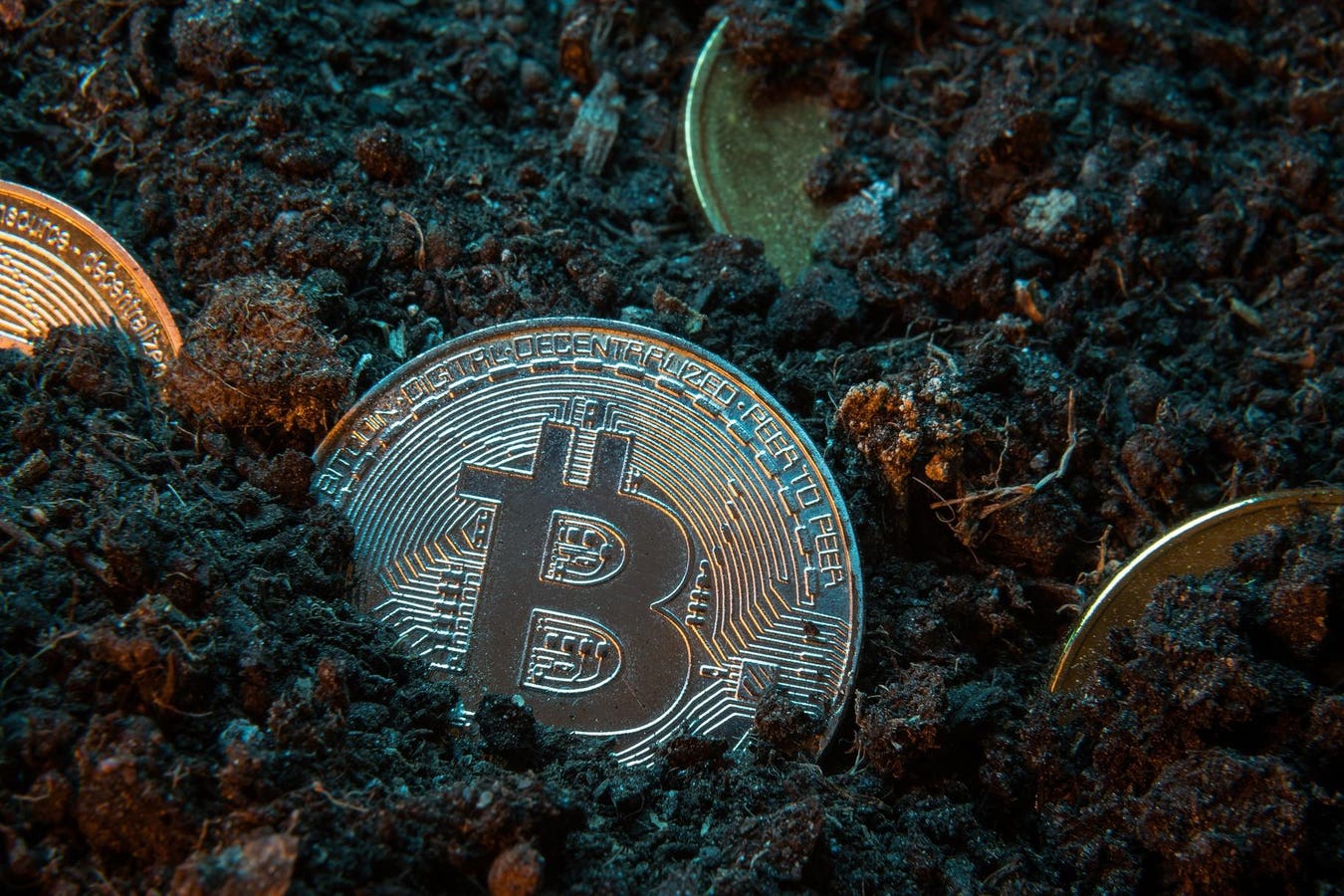
Despite concerns, data suggests the Bitcoin network will remain sustainable even after the last coin is mined, thanks to evolving strategies by miners, increased transaction fees, and broader adoption of the cryptocurrency.
With 94% of the total 21 million bitcoin supply already mined, some have expressed doubts about the long-term viability of the digital asset. However, several factors indicate that the Bitcoin ecosystem will adapt and continue to thrive.
The halving schedule plays a crucial role in the timeline for mining all bitcoins. During the epoch starting in 2032, more than 99% of the bitcoin supply will have been issued. The final 1% of bitcoins will take more than 100 years to mine due to the halving mechanism.
As mining rewards diminish, transaction fees are set to become the primary revenue source for miners. After all bitcoins are mined, miners will rely on transaction fees to validate and secure the network. On April 20, 2024, transaction fees peaked at 1,257.71 BTC, accounting for over 75% of miner revenue that day.
Similarly, transaction fees surpassed block rewards for the first time, reaching $80.74 million in a single day due to memecoin mania and the launch of the Runes protocol.
This surge highlights the potential of transaction fees to sustain mining operations when block rewards cease. The integration of new protocols, such as Runes, Ordinals, and a growing number of meta layers, have at times boosted network activity and congestion, leading to increased transaction fees and miner revenue
Moreover, bitcoin's underlying blockchain technology offers opportunities beyond peer-to-peer transactions.
Jason Lowery, author of "SoftWar," has proposed the formation of a "US Hash Force," suggesting bitcoin's underlying technology could be leveraged by the U.S. military to defend the increasingly important digital world. The U.S. Hash Force would be a new component of the military, focused on leveraging Bitcoin's Proof-of-Work consensus mechanism for national security purposes.
He sees Bitcoin as a potential power projection protocol that could be used worldwide for various applications beyond finance. Lowery theorizes that Bitcoin's PoW mechanism could transform cybersecurity, providing a new way of achieving secure computing on a global scale.
Nation-states are already embracing bitcoin for monetary and trade purposes. Seven nations, including Ethiopia, Kenya, and Argentina, are now mining bitcoin with direct government support. Russia has piloted cross-border trade denominated in cryptocurrency.
This governmental adoption signals confidence in bitcoin's stability and potential as a global reserve asset, possibly contributing to global de-dollarization efforts.
However, U.S. Senator Cynthia Lummis believes that adopting bitcoin could help the the dollar maintain financial sovereignty and global influence.
Senator Lummis introduced the Boosting Innovation, Technology and Competitiveness through Optimized Investment Nationwide Act in the U.S. Senate. This legislation aims to create a strategic Bitcoin reserve to bolster the dollar and pay down the national debt.
Bitcoin Diversification And Renewable Energy
The adoption of renewable energy sources is another significant trend among miners. The Bitcoin Mining Council reported that its members use electricity with a sustainable power mix of 63.1%, contributing to a global mining industry's sustainable electricity mix of 59.9%.
This shift reduces operational costs and also addresses environmental concerns. Miners are increasingly exploring renewable energy sources like hydro and geothermal, enhancing bitcoin's reputation as one of the most sustainable industries worldwide.
Miners are also diversifying into high-performance computing and artificial intelligence data centers.
Companies like Core Core Scientific have expanded their infrastructure to support AI workloads, while Bit Digital now derives an estimated 27% of its revenue from AI. This strategic shift allows miners to leverage existing computational resources for additional revenue streams, mitigating the impact of reduced mining rewards.
According to Compass Mining, this move into AI and high-performance computing represents a new business model for miners seeking diversification.
Disclaimer:info@kdj.com
The information provided is not trading advice. kdj.com does not assume any responsibility for any investments made based on the information provided in this article. Cryptocurrencies are highly volatile and it is highly recommended that you invest with caution after thorough research!
If you believe that the content used on this website infringes your copyright, please contact us immediately (info@kdj.com) and we will delete it promptly.
-

-
- Consensus 2026 Miami: Web3, Blockchain, Cryptocurrency, NFTs, Metaverse, Conference, May 5th — Where Wall Street Meets the Digital Frontier
- May 01, 2026 at 11:27 pm
- Miami buzzes as Consensus 2026 approaches on May 5th, highlighting Web3, blockchain, crypto, NFTs, and the metaverse's shift from hype to institutional and sustainable reality.
-
-
- Bitcoin Miners Electrify the Grid: Ohio Gas Plant Acquisition Powers Up a New Era for Digital Gold
- Apr 30, 2026 at 10:38 pm
- The Bitcoin mining industry is undergoing a significant transformation, with major players aggressively expanding operations and strategically acquiring energy assets like Ohio gas plants to solidify their future in the digital economy.
-
-
- Solana's Slippery Slope: Price Prediction Points to Resistance Loss and Potential Further Drops
- Apr 30, 2026 at 09:08 pm
- Solana is struggling to break key resistance, signaling potential downside. Repeated rejections at $86-$88, coupled with a broken short-term pattern, point to targets as low as $67, or even $40, as sellers maintain control. Investors should watch critical support levels closely.
-
-
- NYC's New Beat: Staking Systems, USD1, and Governance Drive Crypto's Next Wave
- Apr 30, 2026 at 03:02 pm
- From lucrative USD1 earning events to robust governance models, the crypto sphere is buzzing with innovations reshaping how we engage with digital assets, focusing on long-term commitment and stablecoin utility.
-
- OKX Unveils Agent Payments Protocol: Ushering in a New Era of AI Transactions
- Apr 30, 2026 at 02:53 pm
- OKX launches its Agent Payments Protocol (APP), an open standard for AI-driven commerce, enabling agents to manage full business cycles. Explore the implications for AI transactions and agentic payments.