










 |
|
 |
|
 |
|
 |
|
 |
|
 |
|
 |
|
 |
|
 |
|
 |
|
 |
|
 |
|
 |
|
 |
|
 |
|
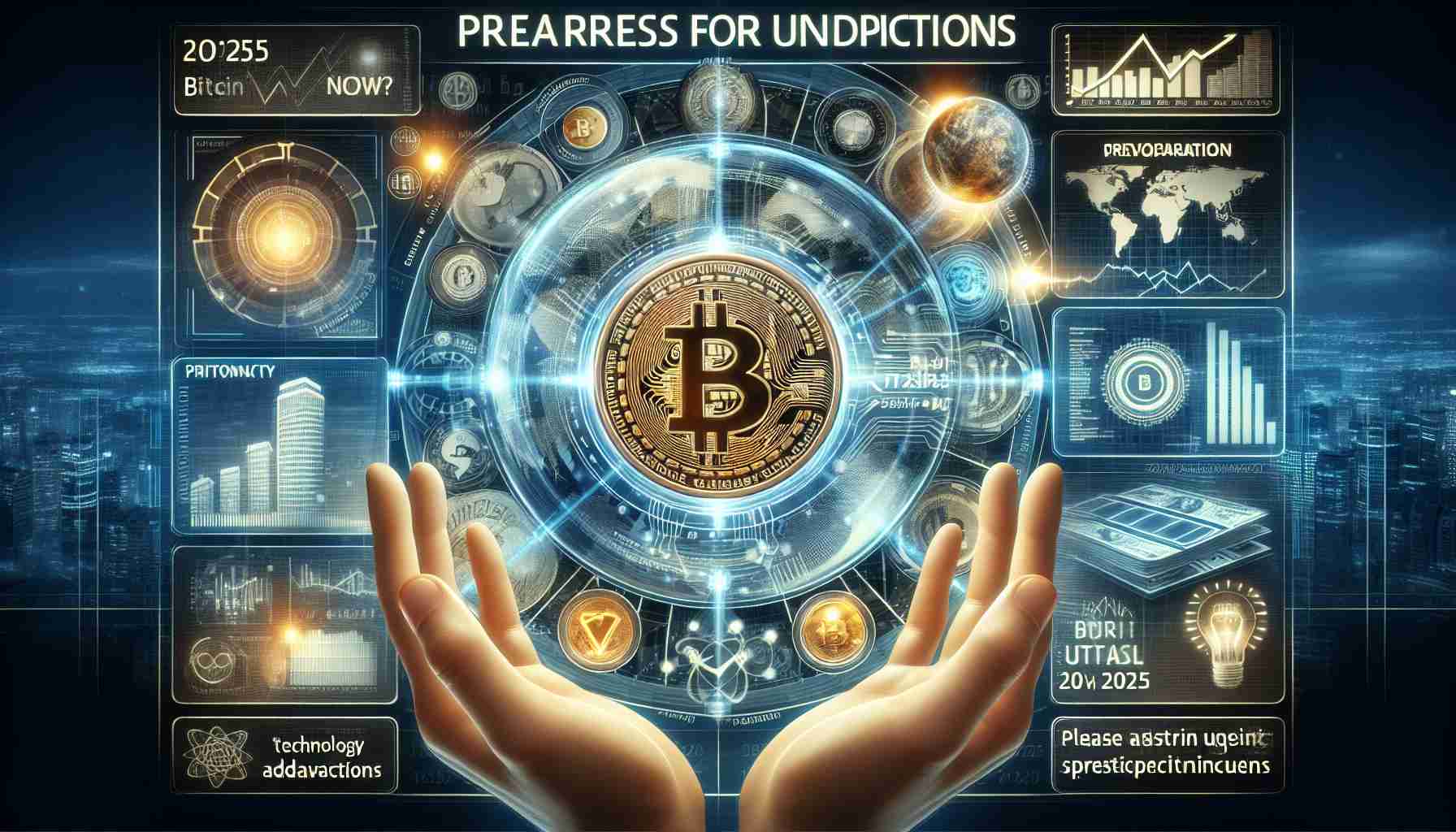
Bitcoin is poised for transformative changes driven by new technologies and evolving global landscapes. Here's a look at how key factors will shape Bitcoin's journey in 2025.
As we approach 2025, Bitcoin stands at a crossroads, influenced by technological advancements and evolving financial frameworks. Investors eager to navigate this dynamic landscape must keep abreast of emerging trends and potential challenges. Here’s a look at key factors shaping Bitcoin's future, complete with insightful investment advice and a balanced view of risks and rewards.
1. Quantum Computing’s Impact on Bitcoin
With quantum computing on the brink of reality, its potential to alter the mechanisms behind Bitcoin should not be underestimated. Currently, Bitcoin transactions are secured by public-private key cryptography, which has remained largely unbreachable due to the immense computational power required to crack the encryption. However, quantum computers, once fully realized, could perform these complex calculations at lightning speeds, rendering conventional encryption methods vulnerable.
To counter this threat and ensure the continued integrity of the Bitcoin network, innovations in cryptography are underway. One possibility is the integration of quantum-resistant algorithms into the Bitcoin protocol, rendering the blockchain immune to advanced computing techniques.
Another potential outcome is the emergence of quantum-enhanced blockchains, offering unprecedented levels of safety and efficiency. By combining the strengths of quantum computing with blockchain technology, new possibilities for secure and scalable decentralized networks could arise.
2. Regulatory Evolutions Shaping Bitcoin's Future
As nations increasingly dive into digital currencies, ranging from central bank digital currencies (CBDCs) to non-fungible tokens (NFTs), the regulatory terrain will likely become more intricate. Future governments might adopt centralized digital currencies, which could influence Bitcoin's market position.
In the United States, the Biden administration is expected to release its framework for regulating digital assets in 2023. This guidance will outline the roles of different agencies, such as the Securities and Exchange Commission (SEC) and the Commodity Futures Trading Commission (CFTC), in overseeing the cryptocurrency industry.
The upcoming regulatory landscape will present both threats and opportunities for Bitcoin investors. On the one hand, excessive regulation could stifle innovation and hamper the growth of the cryptocurrency market. On the other hand, clear and supportive guidelines could attract institutional investors and drive the integration of Bitcoin into mainstream financial systems.
3. Green Energy Innovations Revolutionizing Bitcoin Mining
Bitcoin's energy consumption has been a hot topic in recent years, sparking debates over its environmental impact. Currently, Bitcoin mining is largely powered by fossil fuels, which has drawn criticism from regulators and climate activists alike.
However, innovations in sustainable energy could revolutionize mining processes, potentially transforming Bitcoin into an environmentally friendly asset. By harnessing green technology, such as solar or wind power, Bitcoin mining could become more energy-efficient and sustainable.
This shift would not only pave the way for wider adoption of Bitcoin but also align with the Biden administration's goal of achieving net-zero emissions by 2050.
4. Decentralized Finance (DeFi) Expansion: Bitcoin as a Cornerstone
The DeFi space, rapidly maturing and expanding, offers a glimpse into Bitcoin's potential beyond a store of value. Currently, DeFi protocols are primarily built on Ethereum or other smart contract platforms, enabling users to trade, lend, and borrow cryptocurrencies without intermediaries.
However, Bitcoin's unique characteristics, such as its decentralized nature, scarcity, and strong brand recognition, make it an ideal candidate for integration into DeFi systems. By 2025, Bitcoin could play a pivotal role in decentralized finance, serving as a cornerstone for new financial innovations.
5. Bitcoin Investment Risks and Opportunities for 2025
Investing in Bitcoin remains a high-stakes endeavor, especially for those seeking quick profits. The volatility of cryptocurrency can lead to significant gains but also substantial losses. However, as Bitcoin becomes more established and integrated into mainstream financial systems, its value could stabilize, potentially reducing volatility.
Investors should prepare for a future where regulatory decisions dramatically influence market conditions, impacting value trajectories. Closely monitoring government announcements and policies will be crucial for navigating the investment landscape.
6. Predictions for Bitcoin Rates by 2025
Forecasting Bitcoin's price by 2025 involves a lot of speculation. Some analysts predict that the flagship cryptocurrency will continue to soar, reaching astronomical figures, while others anticipate a price correction or potential slumps.
The increasing integration of blockchain technology in diverse sectors, such as supply chain management or digital identity, might drive Bitcoin's price upward. However, factors such as regulatory developments and technological breakthroughs will play crucial roles in determining its market value.
免责声明:info@kdj.com
所提供的信息并非交易建议。根据本文提供的信息进行的任何投资,kdj.com不承担任何责任。加密货币具有高波动性,强烈建议您深入研究后,谨慎投资!
如您认为本网站上使用的内容侵犯了您的版权,请立即联系我们(info@kdj.com),我们将及时删除。
-

- 比特币、eCash 分叉和空投动态:深入探讨加密货币的最新争议
- 2026-05-03 00:52:02
- 探索最近的 eCash 分叉、其作为高风险空投的分类,以及对比特币和加密生态系统的更广泛影响。
-
-
- 美联储维持利率稳定,地缘政治紧张局势引发比特币价格下跌
- 2026-05-01 04:04:38
- 美联储维持利率的决定,加上中东冲突,影响了比特币的价格。分析近期趋势和市场反应。
-
-
-
-
-
-