











 |
|
 |
|
 |
|
 |
|
 |
|
 |
|
 |
|
 |
|
 |
|
 |
|
 |
|
 |
|
 |
|
 |
|
 |
|
Bitcoin Halving: A Technical Milestone with Uncertain Price Implications
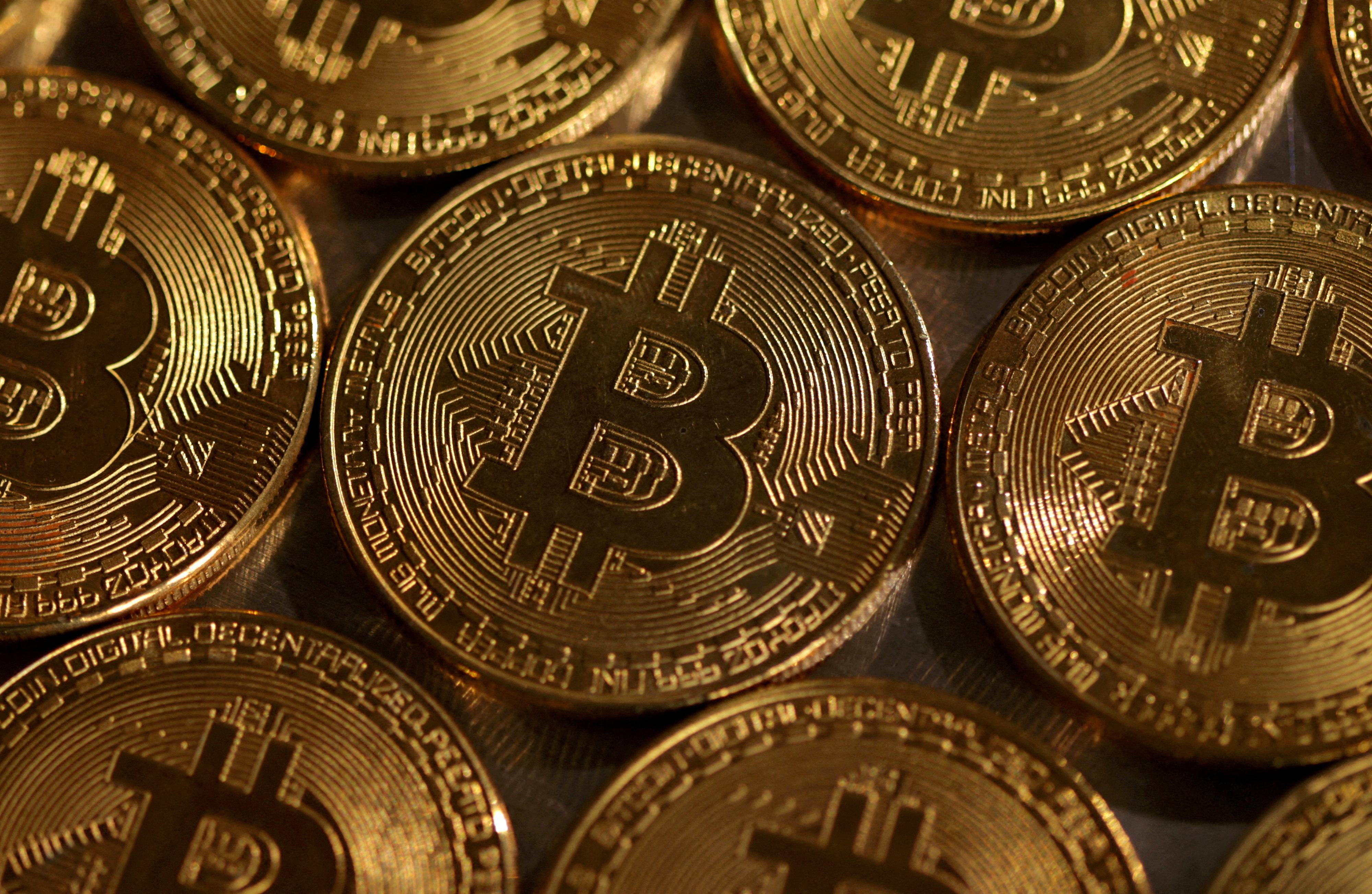
On Friday, April 19th, Bitcoin, the world's preeminent cryptocurrency, underwent a significant event known as a "halving." This phenomenon, occurring approximately every four years, marks a fundamental change in the cryptocurrency's underlying technology.
The halving was implemented into Bitcoin's code by its pseudonymous creator, Satoshi Nakamoto, as a way to control the rate at which new bitcoins are created. Essentially, it reduces the reward received by cryptocurrency miners, who verify transactions and create new blocks on the Bitcoin blockchain.
Chris Gannatti, Global Head of Research at WisdomTree, an asset manager specializing in Bitcoin exchange-traded funds, described the halving as "one of the biggest events in crypto this year." Crypto enthusiasts often view the halving as an affirmation of Bitcoin's value as a scarce commodity, with its maximum supply capped at 21 million tokens.
However, skeptics dismiss the halving as merely a technical change that has been hyped by speculators to inflate Bitcoin's price. The halving is part of a broader trend in Bitcoin's recent performance.
In March, Bitcoin surged to an all-time high of $73,803.25, but has since retreated. On the day of the halving, Bitcoin remained relatively stable, experiencing a slight dip of 0.5% to approximately $63,747.
The cryptocurrency market has been buoyed by positive developments such as the US Securities and Exchange Commission's approval of spot Bitcoin exchange-traded funds in January and expectations of central banks reducing interest rates. However, geopolitical tensions and concerns over rising interest rates have overshadowed the market in recent weeks.
Previous halvings in 2012, 2016, and 2020 were followed by price rallies, prompting some crypto enthusiasts to predict a similar trend this time. However, analysts remain cautious, citing factors such as Bitcoin's overbought status and subdued venture capital funding in the crypto industry.
JP Morgan analysts believe that Bitcoin's price may not experience significant gains after the halving, as the event has already been factored into its current market value. They anticipate a potential decline in Bitcoin's price due to its overbought condition and the pessimistic venture capital outlook.
Financial regulators have consistently warned of Bitcoin's high-risk nature and limited real-world applications. Despite these concerns, several regulatory bodies have begun to approve Bitcoin-linked trading products.
Andrew O'Neill, a crypto analyst at S&P Global, expressed skepticism regarding the price prediction implications of previous halvings. He emphasized that the halving is just one factor among many that can influence Bitcoin's price.
As Bitcoin navigates the post-halving landscape, its direction remains uncertain. Geopolitical tensions and expectations of prolonged high-interest rates continue to cast a shadow over global markets, affecting Bitcoin's performance. The cryptocurrency's future trajectory will be shaped by a complex interplay of factors, including investor sentiment, regulatory developments, and macroeconomic conditions.
免責聲明:info@kdj.com
所提供的資訊並非交易建議。 kDJ.com對任何基於本文提供的資訊進行的投資不承擔任何責任。加密貨幣波動性較大,建議您充分研究後謹慎投資!
如果您認為本網站使用的內容侵犯了您的版權,請立即聯絡我們(info@kdj.com),我們將及時刪除。
-

- 比特幣、eCash 分叉和空投動態:深入探討加密貨幣的最新爭議
- 2026-05-03 00:52:02
- 探索最近的 eCash 分叉、其作為高風險空投的分類,以及對比特幣和加密生態系統的更廣泛影響。
-
-
- 聯準會維持利率穩定,地緣政治緊張局勢引發比特幣價格下跌
- 2026-05-01 04:04:38
- 聯準會維持利率的決定,加上中東衝突,影響了比特幣的價格。分析近期趨勢和市場反應。
-
-
-
-
-
-