






 |
|
 |
|
 |
|
 |
|
 |
|
 |
|
 |
|
 |
|
 |
|
 |
|
 |
|
 |
|
 |
|
 |
|
 |
|
加密货币新闻
10 Essential Things to Know Before Investing in Cryptocurrencies and Stablecoins
2025/01/08 22:59
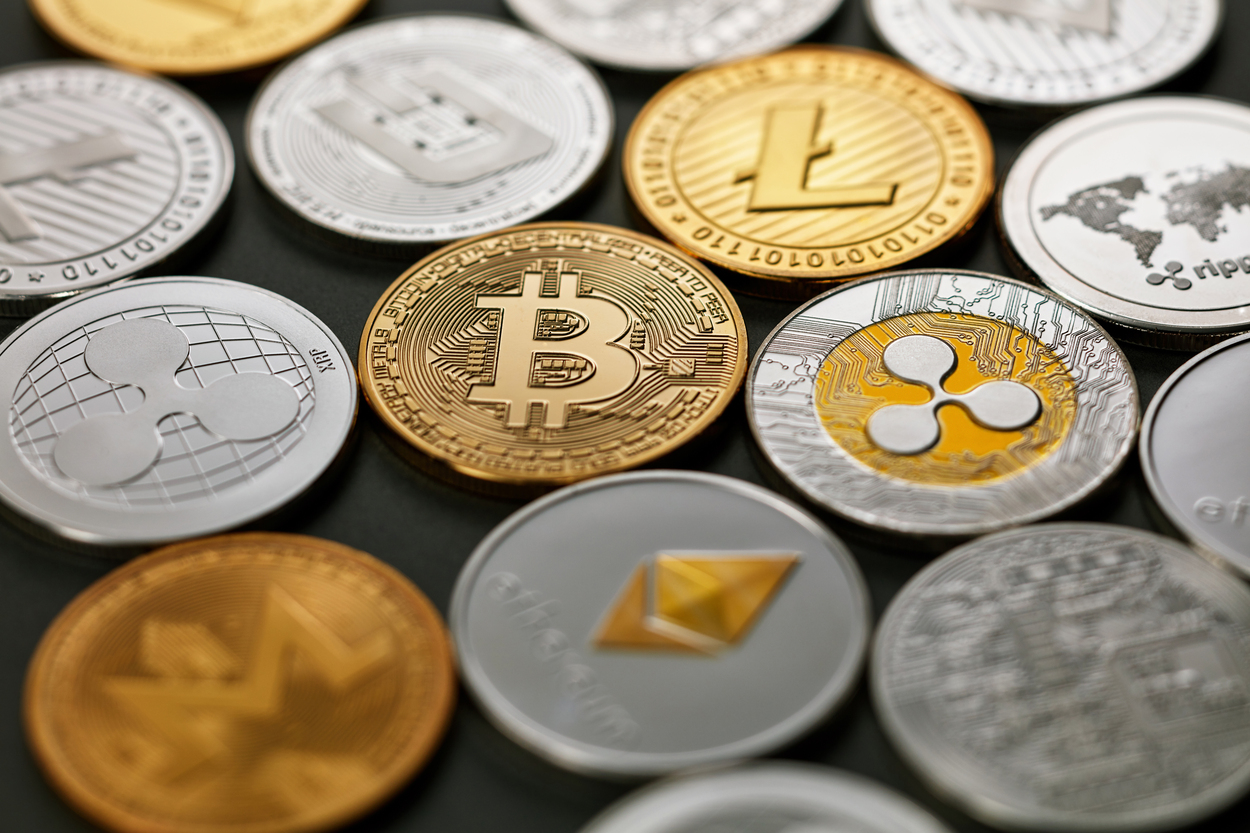
Cryptocurrencies and stablecoins are revolutionizing modern finance, offering alternatives to traditional banking through speed, accessibility, and decentralized technology. If you’re considering investing, trading, or simply exploring digital currencies, understanding the basics is crucial. Here’s a breakdown of 10 essential things to know before diving into the world of crypto.
1. Look for Real-World Use Cases
Before allocating funds to a cryptocurrency, consider its practical applications. Coins derive value from their usability and adoption. For instance, Bitcoin is widely recognized as a digital store of value and is accepted by many businesses, including online retailers and even Bitcoin casinos; many of the latter have become highly popular among iGamers for their provably fair gaming, massive bonuses, and faster crypto payouts that blockchain technology makes possible.
Ethereum shines as a platform for smart contracts and decentralized apps, enabling developers to build innovative applications that operate without intermediaries. Stablecoins like Tether (USDT) are increasingly favored for fast, stable transactions, particularly in industries like online gaming and gambling. These use cases highlight how cryptocurrencies and stablecoins go beyond speculative investments and integrate into real-world commerce.
2. Understand Cryptocurrencies vs. Stablecoins
Cryptocurrencies such as Bitcoin and Ethereum are known for price swings, which can lead to significant gains but also substantial losses. Stablecoins, on the other hand, are tied to assets like the U.S. dollar or gold, offering a more predictable value. Examples include Tether (USDT) and USD Coin (USDC), which are pegged to fiat currencies and serve as safe havens during market downturns.
Stablecoins are also widely used for transactions and remittances due to their stability and speed. Businesses conducting cross-border payments benefit from their ability to reduce fees and avoid exchange rate fluctuations. Investors often use stablecoins to park their funds temporarily during volatile market conditions, providing liquidity and flexibility.
3. Diversify Your Portfolio
Spreading your investments across different coins can minimize risk. While Bitcoin dominates the market, other altcoins serve unique purposes, such as Ethereum for DeFi or Chainlink for decentralized finance solutions. Including stablecoins in your portfolio can act as a cushion during turbulent times, helping preserve value while staying ready for new opportunities.
Diversification also allows investors to explore emerging technologies. For example, Polkadot focuses on interoperability between blockchains, and Cardano emphasizes scalability and sustainability. Allocating funds across different sectors within the crypto market helps balance risk and reward, ensuring long-term growth potential.
4. Explore Decentralized Finance (DeFi)
DeFi is revolutionizing financial systems, enabling activities like lending, borrowing, and earning interest without intermediaries. Stablecoins often serve as the backbone of DeFi platforms, providing liquidity and stability. Through platforms like Uniswap or Aave, you can earn passive income by staking stablecoins in liquidity pools—making DeFi a rapidly growing sector.
DeFi eliminates the need for traditional banks by offering smart contracts that execute transactions automatically. These platforms are particularly attractive for those who want greater control over their finances and are looking to generate yields without relying on centralized institutions. However, it’s essential to research security features, as DeFi protocols are often targeted by hackers.
5. Prioritize Security and Privacy
Crypto security is critical. Always research how a coin secures its network and protects user data. Bitcoin and Ethereum rely on robust blockchain technology, while privacy-focused coins like Monero emphasize anonymity. Stablecoins are often audited for transparency. To keep your funds safe, use trusted wallets, enable two-factor authentication, and be cautious of phishing scams.
Hardware wallets, which store cryptocurrencies offline, offer the highest level of security for long-term storage. Multi-signature wallets add another layer of protection by requiring multiple approvals for transactions. Staying vigilant and updated on the latest security practices can safeguard your investments against fraud and hacking attempts.
6. Embrace Everyday Use
Cryptocurrencies are becoming increasingly accepted for everyday transactions. From online shopping to paying for services, digital currencies are simplifying commerce. Stablecoins, in particular, make cross-border payments faster and cheaper. Payment processors are integrating crypto options, letting small businesses and individuals use them effortlessly.
Industries such as real estate and online entertainment have also adopted crypto payments. Crypto remittance services, for example, enable transparent and quick transactions without requiring traditional banking intermediaries. These examples illustrate how digital currencies are gradually becoming mainstream.
7. Stay on Top of Regulations
The regulatory environment around cryptocurrencies and stablecoins is evolving. Different countries have varying rules, and understanding these can help you stay compliant. Stablecoins often face stricter oversight due to their ties to fiat currencies. Keep an eye on emerging frameworks, as they could impact crypto’s future growth and adoption.
Many exchanges now require Know Your Customer (KYC) and Anti-Money Laundering (AML) compliance, ensuring investor protection. Regulatory developments also affect tax reporting obligations, so it’s important to maintain accurate records of transactions. Adhering to these rules reduces legal risks and improves investor confidence.
8
免责声明:info@kdj.com
所提供的信息并非交易建议。根据本文提供的信息进行的任何投资,kdj.com不承担任何责任。加密货币具有高波动性,强烈建议您深入研究后,谨慎投资!
如您认为本网站上使用的内容侵犯了您的版权,请立即联系我们(info@kdj.com),我们将及时删除。
-

-
- 全球审查下的亚洲加密货币激增:采用、安全漏洞和监管转变的主要趋势
- 2026-09-25 07:45:02
- 探索亚洲加密货币采用的动态格局,从稳定币的蓬勃发展和监管进步到 Bitget 黑客攻击等重大安全挑战。
-
-
-
-
-
-
-