









 |
|
 |
|
 |
|
 |
|
 |
|
 |
|
 |
|
 |
|
 |
|
 |
|
 |
|
 |
|
 |
|
 |
|
 |
|
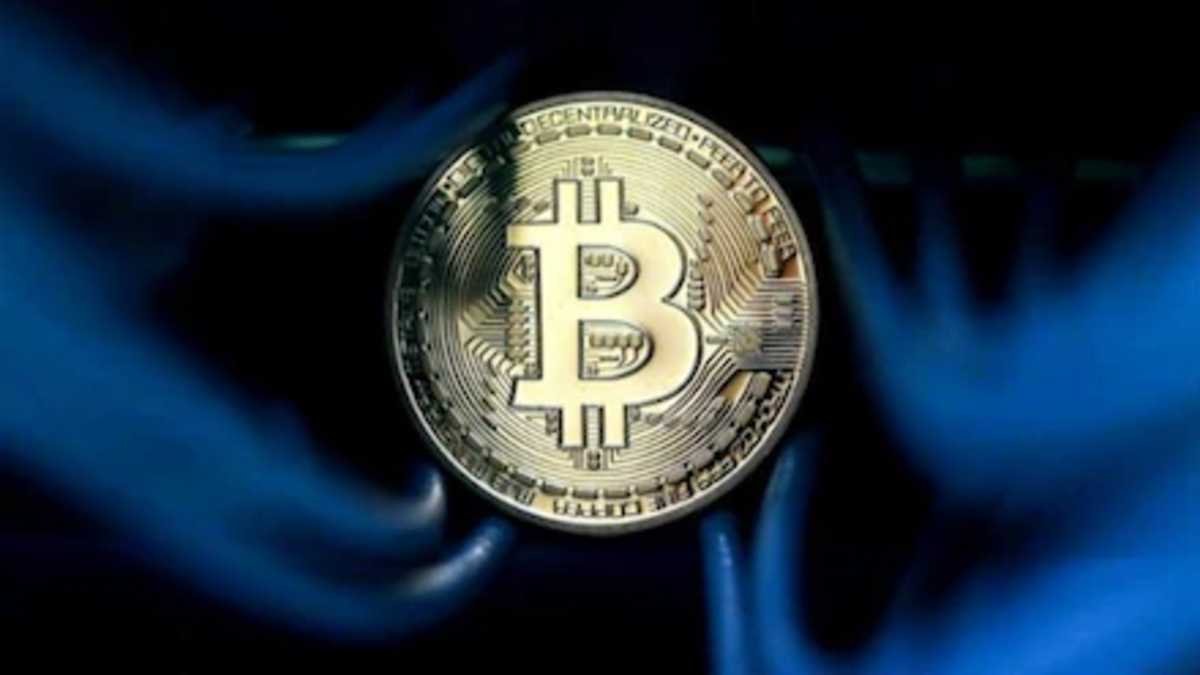
Bitcoin, heralded as the world's first cryptocurrency, is underpinned by a revolutionary technology known as blockchain. As a decentralized digital currency, Bitcoin facilitates peer-to-peer transactions, rendering the services of intermediaries like banks superfluous. To fully grasp how Bitcoin functions, it's imperative to delve into its components and the mechanisms that ensure its security and functionality.
1. Blockchain: The Cornerstone of Bitcoin
At the heart of Bitcoin lies the blockchain, a distributed and immutable ledger that chronicles all Bitcoin transactions. Each transaction is meticulously organized into a "block," which is subsequently appended to a chain of previously confirmed blocks. A network of computers, designated as "nodes," maintains the blockchain, collectively validating and verifying transactions.
2. Mining: Safeguarding the Network and Generating New Bitcoins
To bolster its network security and verify transactions, Bitcoin employs a process called "mining." Miners, typically individuals or entities armed with powerful computers, engage in solving intricate mathematical puzzles to validate transactions. In return for their contributions, miners are rewarded with freshly minted bitcoins.
3. Transactions: Sending and Receiving Bitcoin
When a Bitcoin transaction materializes, it's disseminated across the network and, upon being verified by miners, is indelibly inscribed onto the blockchain. Bitcoin transactions share similarities with transferring funds via a digital wallet, albeit with key distinctions:
4. Limited Supply: 21 Million Bitcoins
A hallmark characteristic of Bitcoin is its finite supply. Throughout its existence, there will only be 21 million bitcoins. This fixed supply is inherently woven into the Bitcoin protocol, mirroring the scarcity of precious metals like gold. Currently, a substantial portion of the total supply has been mined, with the remaining bitcoins set to be released gradually over the coming decades.
5. Security and Trust: Cryptography and Proof of Work
To safeguard the network and ensure the integrity of transactions, Bitcoin harnesses cryptographic principles. Each transaction is indelibly signed with the sender's private key, rendering it cryptographically infeasible for anyone to alter a transaction after it has been made.
6. The Bitcoin Network: Peer-to-Peer and Global
Bitcoin operates on a peer-to-peer (P2P) network, enabling transactions to directly transpire between users, obviating the need for a central authority. This architecture facilitates speedy, low-cost transactions anywhere in the world.
Through its innovative application of blockchain technology, mining, and cryptographic principles, Bitcoin has emerged as a groundbreaking advancement in the realm of finance. With its decentralized nature and fixed supply, Bitcoin continues to challenge traditional financial paradigms and pave the way for a future where digital currencies assume a pivotal role in the global economy. Whether you're venturing into the world of cryptocurrency investments or utilizing Bitcoin for everyday transactions, grasping its inner workings is paramount to navigating the evolving landscape of cryptocurrencies.
免責聲明:info@kdj.com
所提供的資訊並非交易建議。 kDJ.com對任何基於本文提供的資訊進行的投資不承擔任何責任。加密貨幣波動性較大,建議您充分研究後謹慎投資!
如果您認為本網站使用的內容侵犯了您的版權,請立即聯絡我們(info@kdj.com),我們將及時刪除。
-

- 比特幣、eCash 分叉和空投動態:深入探討加密貨幣的最新爭議
- 2026-05-03 00:52:02
- 探索最近的 eCash 分叉、其作為高風險空投的分類,以及對比特幣和加密生態系統的更廣泛影響。
-
-
- 聯準會維持利率穩定,地緣政治緊張局勢引發比特幣價格下跌
- 2026-05-01 04:04:38
- 聯準會維持利率的決定,加上中東衝突,影響了比特幣的價格。分析近期趨勢和市場反應。
-
-
-
-
-
-