

















-
 bitcoin
 $87959.907984 USD
1.34% - ethereum
$2920.497338 USD
3.04% - tether
$0.999775 USD
0.00% - xrp
$2.237324 USD
8.12% - bnb
$860.243768 USD
0.90% - solana
$138.089498 USD
5.43% - usd-coin
$0.999807 USD
0.01% - tron
$0.272801 USD
-1.53% - dogecoin
$0.150904 USD
2.96% - cardano
$0.421635 USD
1.97% - hyperliquid
$32.152445 USD
2.23% - bitcoin-cash
$533.301069 USD
-1.94% - chainlink
$12.953417 USD
2.68% - unus-sed-leo
$9.535951 USD
0.73% - zcash
$521.483386 USD
-2.87%











difference between ether and ethereum
Ether is the native cryptocurrency of the Ethereum blockchain, while Ethereum is the underlying platform for smart contracts, applications, and other decentralized services.
Oct 16, 2024 at 12:54 am
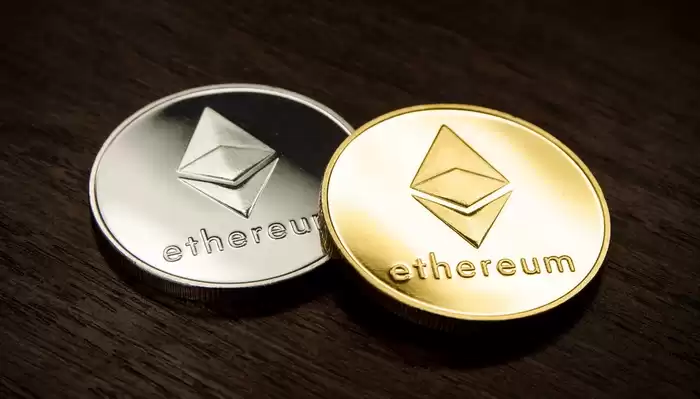
Ether vs. Ethereum: Understanding the Difference
1. Nature of the Entities:- Ether (ETH) is a cryptocurrency that serves as the native token of the Ethereum blockchain. It acts as a means of exchange, gas fees for transactions, and collateral for staking.
- Ethereum is a decentralized blockchain platform that hosts a variety of applications, including smart contracts, decentralized finance (DeFi) services, and non-fungible tokens (NFTs).
- Ether is primarily used for transactional purposes within the Ethereum ecosystem, facilitating value transfer and network functioning. It is comparable to fuel used to power a vehicle in this context.
- Ethereum, as a platform, supports the development and execution of smart contracts, enabling automated tasks, decentralized applications, and secure data storage. It provides an environment for innovation and the creation of new blockchain solutions.
- Ether is an ERC-20 token, meaning it adheres to specific Ethereum Virtual Machine (EVM) standards. It is stored in crypto wallets that support ETH transactions.
- Ethereum, on the other hand, is an entire distributed ledger technology that includes a native blockchain, a consensus mechanism, smart contract capabilities, and a decentralized ecosystem.
- Ether has a finite supply of approximately 120 million tokens. Its market capitalization fluctuates based on supply and demand.
- Ethereum's supply is unbounded as the network issues new ETH as incentives for miners. Its market capitalization is typically higher than that of ETH.
- Ether and Ethereum are both subject to price volatility, influenced by market conditions, news events, and speculation.
- However, Ethereum is generally considered to be less volatile than Ether due to its broader utility and established ecosystem.
- Investing in Ether implies holding a speculative asset whose value is predominantly determined by the demand for its transactional and gas fee purposes.
- Investing in Ethereum may provide exposure to the growth and stability of a broader blockchain network with a diverse range of applications.
- Ether: Facilitating transactions, paying for gas fees, and participating in Ethereum staking.
- Ethereum: Developing smart contracts, building decentralized applications, creating NFTs, enabling DeFi services, and automating business processes.
Disclaimer:info@kdj.com
The information provided is not trading advice. kdj.com does not assume any responsibility for any investments made based on the information provided in this article. Cryptocurrencies are highly volatile and it is highly recommended that you invest with caution after thorough research!
If you believe that the content used on this website infringes your copyright, please contact us immediately (info@kdj.com) and we will delete it promptly.






- Chain Ecosystem Ignites: Latest Updates and XCN News Unveiling Dynamic Growth
- 2026-02-10 13:05:01
- MicroStrategy's Michael Saylor Doubles Down on Bitcoin Bet Amidst Market Turmoil
- 2026-02-10 12:40:03
- Digital Numismatics Takes Center Stage: Apps & AI Revolutionize Coin Collecting Software
- 2026-02-10 13:05:01
- XRP and Ripple Navigate Regulatory Currents: A Look Ahead
- 2026-02-10 13:00:02
- Luna Classic (LUNC) Price Prediction: Navigating the $1 Dream Amidst Shifting Market Dynamics
- 2026-02-10 13:00:02
- Big Shifts: Bitcoin ETF Swaps & Credit Tools Usher In a New Era for Institutions
- 2026-02-10 12:55:01
Related knowledge

How to ensure your crypto purchase is safe from hackers?
Jan 28,2026 at 11:19pm
Secure Wallet Selection1. Choose hardware wallets for long-term holdings—devices like Ledger and Trezor isolate private keys from internet-connected s...

How to buy Avalanche (AVAX) with fiat currency?
Jan 29,2026 at 12:40pm
Choosing a Reliable Exchange Platform1. Identify exchanges licensed in your jurisdiction that support AVAX trading pairs with major fiat currencies li...

How to verify if an exchange has Proof of Reserves?
Jan 30,2026 at 06:39am
Understanding Proof of Reserves1. Proof of Reserves (PoR) is a cryptographic audit mechanism that demonstrates an exchange holds sufficient on-chain a...

How to leverage trade Bitcoin for beginners (Long/Short)?
Jan 29,2026 at 03:19pm
Understanding Bitcoin Price Movements1. Bitcoin’s price is heavily influenced by macroeconomic indicators such as interest rate decisions, inflation d...

How to set up an automatic savings plan with stablecoins?
Jan 29,2026 at 06:39am
Understanding Stablecoin Savings Mechanics1. Stablecoins are digital assets pegged to fiat currencies like the US dollar, designed to minimize volatil...

How to buy crypto using Revolut or Wise?
Jan 28,2026 at 11:00pm
Setting Up Your Revolut Account for Crypto Purchases1. Download the Revolut app and complete identity verification using government-issued ID and a se...
How to ensure your crypto purchase is safe from hackers?
Jan 28,2026 at 11:19pm
Secure Wallet Selection1. Choose hardware wallets for long-term holdings—devices like Ledger and Trezor isolate private keys from internet-connected s...
How to buy Avalanche (AVAX) with fiat currency?
Jan 29,2026 at 12:40pm
Choosing a Reliable Exchange Platform1. Identify exchanges licensed in your jurisdiction that support AVAX trading pairs with major fiat currencies li...
How to verify if an exchange has Proof of Reserves?
Jan 30,2026 at 06:39am
Understanding Proof of Reserves1. Proof of Reserves (PoR) is a cryptographic audit mechanism that demonstrates an exchange holds sufficient on-chain a...
How to leverage trade Bitcoin for beginners (Long/Short)?
Jan 29,2026 at 03:19pm
Understanding Bitcoin Price Movements1. Bitcoin’s price is heavily influenced by macroeconomic indicators such as interest rate decisions, inflation d...
How to set up an automatic savings plan with stablecoins?
Jan 29,2026 at 06:39am
Understanding Stablecoin Savings Mechanics1. Stablecoins are digital assets pegged to fiat currencies like the US dollar, designed to minimize volatil...
How to buy crypto using Revolut or Wise?
Jan 28,2026 at 11:00pm
Setting Up Your Revolut Account for Crypto Purchases1. Download the Revolut app and complete identity verification using government-issued ID and a se...
See all articles


